
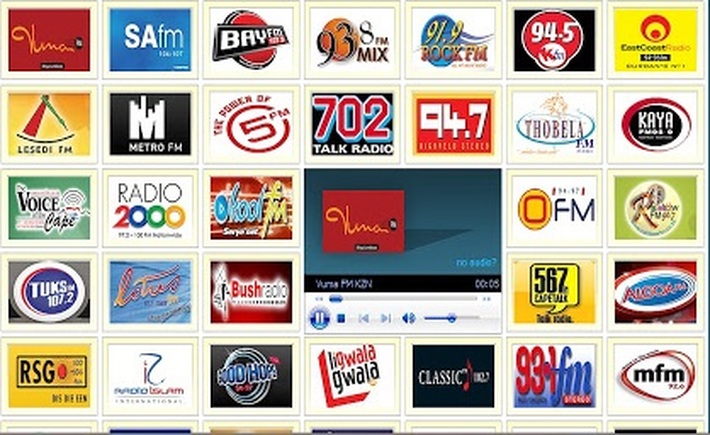
Radio is part of the broadcasting system that originally came from colonial governments and was introduced to Africa.
In 1924, the first three radio stations that broadcasted in South Africa were independent stations based in Johannesburg, Durban and Cape Town. Due to financial issues they were taken over by Isidore Williem Schlesinger, he brought the three stations together to form the African Broadcasting Corporation.
In 1936, the government took control over broadcasting and as a result it set up the South African Broadcasting Corporation based on the British Broadcasting Corporation.
The radio stations programming was predominantly in English, however after the National Party came into power there was a rise in the use of Afrikaans.
During this time the governing party controlled the media, telling journalists what to write about and what not to write. Their offices would constantly be receiving calls from the Prime Minister’s office.
Four kinds of stations were established as the SABC grew:
1. There were two white groups, English and Afrikaans services were created for the individual groups focusing on high culture.
2. African language stations were broadcast on FM frequencies
3. Regional music format stations consisted of highly commercial content.
4. National commercial stations like Springbok Radio, Radio 5 and Metro.
In 1960, Radio Bantu was set up separately from the SABC, it consisted of 35 white supervisors who controlled the output of Black announcer and programmers on six channels.
With the release of Nelson Mandela in 1990 and the dawn of democracy, the landscape of broadcasting had to change drastically.
• The SABC was appointed a new board to go in hand with the democracy that was being formed.
• The new SABC management tried to bring about content that was in line with the new South African democratic values
• The SABC’s regional commercial stations were sold to private companies.
• The SABC’s 11 language stations were upgraded, renamed and handed mandates to focus mainly on their listeners.
Three kinds of radio licenses were made provision for:
1. Public Broadcasting
2. Commercial Broadcasting
3. Community Broadcasting
The Functions of Radio
Radio has three main functions in society, to inform, educate and entertain. With it being the cheapest, most accessible, most tuned in to and multilingual mass communication platform it’s functions can be distributed nationwide without the concern of language or location barriers.
Inform
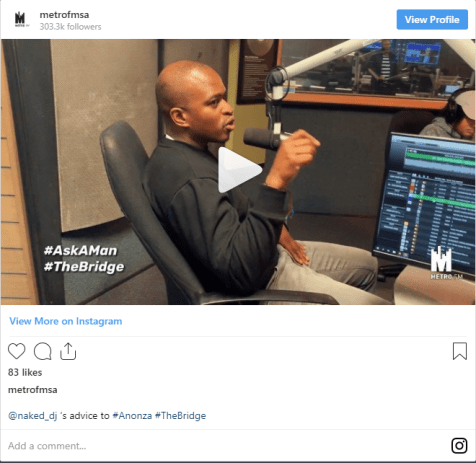
The citizens of the state are required to be well informed, in a truthful and unbiased manner. It is the duty of radio journalists and mass communication mediums to provide this information through programmes that fulfill this function such as news reports, weather and stock exchange reports, market prices and so forth. In times of crisis radio stations can help restore calm in society when people are in panic and are not aware of what may happen to them.
Educate
Educating people in society through the use of radio has a vaster reach and it can educate people without them realising it through informal education and nonformal education. Informal education is where the content of the programme is not in connection with any formal form of learner that is taught that schools or universities, instead it can be more philosophical, broader and popular. It is mainly used to stimulate interest and for entertainment purposes.
Nonformal education on the other hand refers to planned educational and informational radio content which too is not part of the formal educational curriculum. However, it is of interest to everyone, as long as it is heard someone who relates to the content will be educated on that specific issue, they range from family matters, relationships, finance and self-care and development.
Entertain
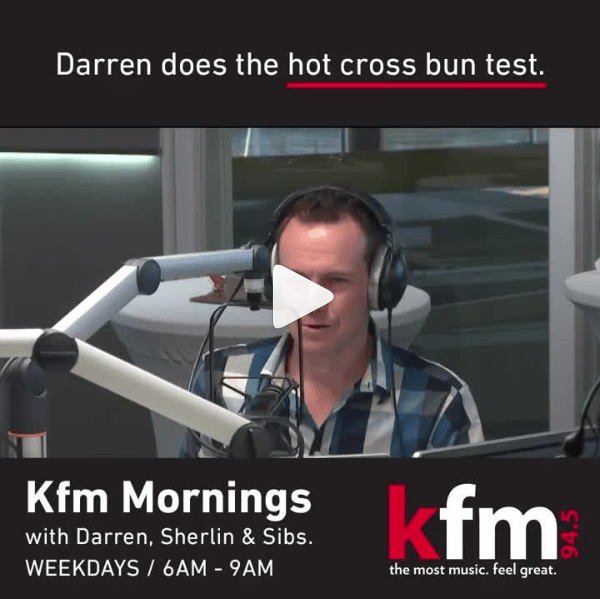
Radio is a form of entertainment through the musical attributes that it provides, stories and interesting topics highlighted on a daily basis, it always has something new to bring to the table. People listen to it while driving to work as the conversations get people connected with their favourite presenters, it gives others a sense of escape from their daily issues and stressful lives, elements of pleasure and amusement and makes people more social as the segment topic becomes a social topic.
Through performing its functions, radio got people to speak up about what’s going on in their lives and to go out and get help where it’s necessary. It provides for interactivity, where a listener can call in to have a conversation about the topic of the day. With the advancement of the internet, social media has become an alternative way to communicate with talk show hosts, forming bonds between the radio station and the community.

In 1960, when other African countries were reaching their independence from colonial governments, the portable and affordable transistor radio had arrived, it resulted in radio listenership being at its highest level by 1970 and was not affected by the introduction of television. Today radio continues to live in this glory as it continues to be the most used mass medium with approximately 28 900 000 listeners weekly according to PWC statistics.
Radio stations such as those under the SABC have a mandate that states that it requires the SABC to encourage the development of South African expression by providing, in the official languages, wide rage programming that:
• Reflects South African attitudes, opinions, ideas, values and artistic creativity.
• Displays South African talent in educational and entertainment programmes.
• Offers a plurality of views and a wide variety of news, information and analysis from a SA point of view.
• Advances the national and public interest.
[Source: The SABC Mandate]
Radio continues to have the functions of informing, educating and entertaining even when the internet and television have taken over in urban areas, people still need the radio to fill in the gaps that television and the internet cannot. With its short news bulletin that informs listeners about traffic or protests happening in their cities, music to keep them entertained when stuck in traffic on their way to work as drivers can’t afford to scroll through their phones setting up playlists or browsing social media. Being educated on a social issue while preparing dinner for the kids at night. There will always be a gap for radio to fill and it will continue doing it for decades to come.
1021 words
 Nzuri Trends